First help is a vital ability that everyone ought to learn, especially if you're involved in sporting activities, exercises, or even just day-to-day life where injuries can take place. Among the most effective approaches for dealing with soft tissue injuries is called RICE. In this thorough guide, we will certainly dive deep into what RICE is, how it functions, and why it's crucial for any individual thinking about first aid training.
What is RICE in First Aid? An Easy Guide to Dealing With Injuries
RICE means Relax, Ice, Compression, and Altitude. It's an extensively approved first aid method made use of primarily for treating soft cells injuries such as sprains and pressures. The technique concentrates on reducing pain and swelling while promoting recovery. Comprehending the components of RICE can encourage people to act quickly in situation of an injury.
1. Rest: Why Is It Important?
Resting the injured area is important for recuperation. When you experience an injury, your body needs time to heal itself. Remaining to use the hurt component can get worse the damage and extend healing time.
- How Lengthy Should You Rest? The period differs based upon the intensity of the injury but typically varies from 24 hr to numerous days. Signs You Need Extra Rest: If you discover boosted swelling or discomfort throughout activities, it might be time to take a break.
2. Ice: The Cooling Effect
Applying ice is a popular practice that helps reduce inflammation and numb the discomfort connected with injuries.
- How to Apply Ice Correctly: Make use of a fabric or towel as an obstacle between ice and skin to stop frostbite. Apply ice for about 15-20 minutes every hour throughout the first 48 hours post-injury. The Scientific research Behind It: Ice constricts capillary (vasoconstriction), which reduces blood flow to the damaged area and decreases swelling.
3. Compression: Support and Stability
Compression involves wrapping the hurt location with an elastic bandage to reduce swelling and offer support.
- How Tight Needs to It Be? The bandage must be snug yet not so limited that it cuts off circulation. You ought to have the ability to shake your toes or fingers comfortably. When to Eliminate It: If you see raised pain or tingling feelings, loosen or get rid of the bandage immediately.
4. Elevation: Keeping It Up
Elevating the hurt area above heart degree helps in reducing swelling by enabling fluids to recede from the injury site.
- Best Practices for Altitude: Use cushions or paddings when relaxing or resting to keep your injury elevated comfortably. Duration of Elevation: Try boosting your injury whenever you're resting or resting, particularly during the initial phases after enduring an injury.
The Relevance of Immediate Care in Injuries
Injuries need prompt attention; this is where first aid expertise comes to be vital. Discovering techniques such as RICE can make a considerable difference in recuperation times and end results.
5. Recognizing When to Utilize RICE
Knowing when to use RICE can dramatically affect recuperation prices:
- Common Circumstances for RICE Application:
- Sprained ankles Strains Bruises Minor fractures
Being knowledgeable The original source about these circumstances enables you to act swiftly during emergencies.
Integrating RICE with DRSABCD Protocol
Understanding exactly how RICE suits more comprehensive first aid methods like DRSABCD can improve your reaction performance:
6. What Does DRSABCD Stand For?
DRSABCD is an acronym that stands for:
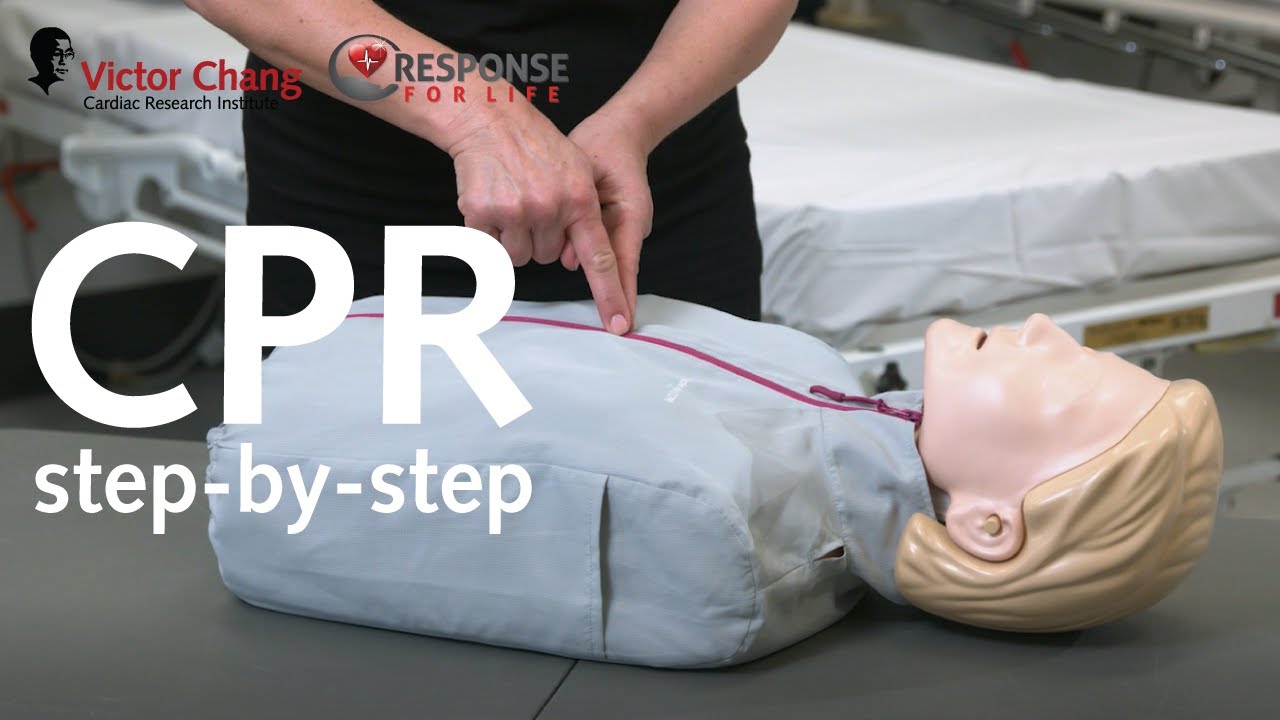
Danger: Check for any potential hazards. Response: Examine if the individual is responsive. Send Help: Call emergency situation services. Airway: Ensure their respiratory tract is clear. Breathing: Examine if they are breathing normally. CPR: Administer CPR if necessary. Defibrillation: Utilize an AED if available.These actions guarantee a total assessment before applying specific treatments like RICE for soft tissue injuries.
Comprehensive First Aid Training Courses Available
To properly carry out methods like RICE and DRSABCD, think about enrolling in formal training programs such as:
7. First Aid Course Near Me
Search online for local options; many organizations provide certified first aid courses that cover vital abilities including CPR training, mental health first aid, and a lot more specific subjects like hands-on handling training.
8. Online First Aid Courses
For those not able to go to physical classes, many online systems give programs that cause certifications like HLTAID011 Supply First Aid and HLTAID012 Give Advanced First Aid.
Mental Health First Aid Training
While conventional first aid focuses on physical injuries, it's also vital to resolve mental wellness situations:
9. Why Mental Wellness Matters in First Aid?
Just as vital as finding out how to treat physical disorders is recognizing exactly how to respond when somebody experiences a psychological health situation-- this consists of understanding when specialist aid is called for together with basic supportive actions one can take themselves.
FAQs concerning RICE in First Aid
FAQ 1: How much time must I apply ice?
For most injuries, applying ice for about 15-20 minutes every hour during the very first 2 days is suggested unless instructed or else by a health care provider.
FAQ 2: Can I use warm as opposed to ice?
Heat must typically be avoided within the first 48 hours after an injury because of its prospective worsening of swelling; nevertheless, heat might relieve persistent conditions later when intense signs have resolved.
FAQ 3: Suppose my discomfort intensifies despite complying with RICE?
If pain lingers or intensifies after executing RICE methods over numerous days without renovation-- speaking cpr and first aid classes near me with a healthcare expert becomes essential cpr and first aid since there might be underlying issues requiring medical intervention.
FAQ 4: Exist any type of risks connected with compression?
Yes! Improperly applied compression can lead not just discomfort yet serious issues such as area syndrome; thus always keep track of circulation closely while using flexible wraps!

FAQ 5: Is there any particular altitude placement I must adopt?
As a lot more than heart level as feasible while ensuring convenience stays paramount! Using pillows tactically works marvels below too!
FAQ 6: Just how usually should I duplicate each action of R.I.C.E?
Repeat all four parts routinely-- every number of hours during preliminary therapy phase till signs begin enhancing at which point frequency may reduce accordingly!
Conclusion
In recap, recognizing "What is RICE in First Aid? An Easy Guide to Dealing with Injuries" equips individuals with essential understanding necessary for effective administration of soft tissue injuries with prompt application methods entailing remainder, ice compression & & altitude! By integrating these principles along with other vital procedures like DRSABCD-- and taking into consideration added methods through formal training-- any person anxious enough can transform themselves into experienced -responders all set deal with emergencies head-on! So why wait? Sign up today into one of those beneficial training courses nearby!